July 17, 2026
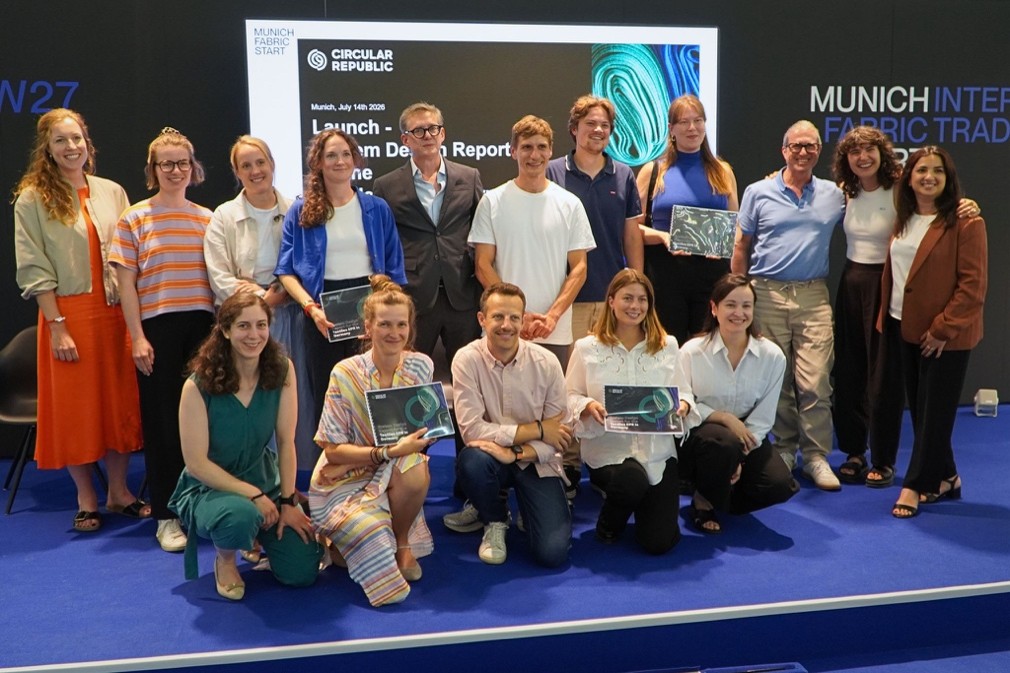
Mid July, the System Design Report on Extended Producer Responsibility (EPR) for Textiles, coordinated by Circular Republic was presented. matterr was pleased to contribute to the collaborative process behind the report, which brought together more than 20 stakeholders from across the textile value chain. With the EU introducing mandatory EPR for textiles, Member States are now translating the requirements into national legislation. The new systems are expected to become operational by April 2028.

From Waste Management to Circularity
As a startup scaling towards our firstsmall-scale industrial plant, the framework conditions for scaling are particularly important to matterr. Building recycling at scale requires reliable material flows, demand for recycled materials and significant investment ininfrastructure.
The report highlights an importantopportunity: a well-designed EPR system should not only finance wastemanagement, but also create the conditions for scaling textile recycling. matterr contributed to the dialogue that helped shape the report, which was developed through a collaborative process involving more than 20 stakeholders from across the textile value chain.
Among its recommendations are:
As Germany develops its national textile EPR system, the key is to design it as a catalyst for a competitive and circular textile economy. Download the full report here:
https://www.circular-republic.org/publications/epr-textiles/